- Faster A15 Bionic chip for improved performance.
- 5G connectivity for faster download and upload speeds.
- Improved battery life for longer usage.
- Tougher glass for better durability.
- Better camera software for enhanced photography.
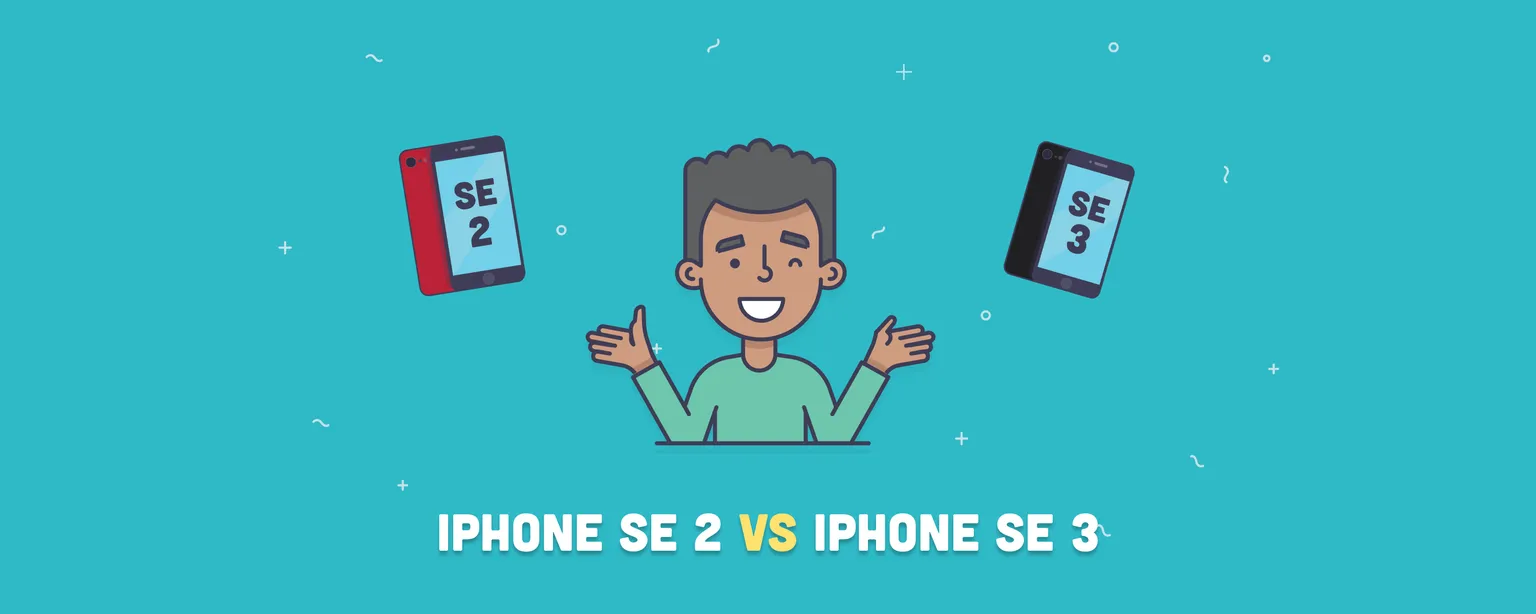
iPhone SE 2 vs. SE 3: How do they compare?
Here are all the differences between the iPhone SE 2 and iPhone SE 3.
Design
At first glance, the iPhone SE 2 and SE 3 look identical. Both sport the classic iPhone design with a Home button and thick bezels surrounding the display. This might be a dealbreaker for some, especially those who prefer the modern, all-screen look of newer iPhones.
The familiar design has its appeal, especially for those who appreciate the tactile feedback of a physical button.

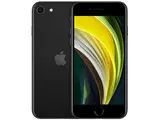
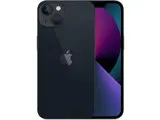
iPhone SE 2
Image by: Apple
While their overall appearance is the same, there are subtle differences in their construction. The iPhone SE 3 boasts a tougher glass front and back, utilizing the same glass found on the iPhone 13 lineup, which Apple claims is the toughest glass in a smartphone. This enhanced durability is a welcome addition, providing better protection against drops and scratches.
The colors differ in name more than in shade. The SE 2 came in Black, White and (PRODUCT)RED, and the SE 3 comes in Midnight, Starlight and (PRODUCT)RED, so both give you a black, a white or a red phone.
They are virtually indistinguishable in terms of size and weight. Both measure 5.45 inches tall, 2.65 inches wide, and 0.29 inches thick. However, the iPhone SE 3 is slightly lighter at 5.09 ounces compared to the SE 2’s 5.22 ounces.
Display
Both the iPhone SE 2 and SE 3 feature the same 4.7-inch Retina HD display with True Tone technology. This display, while smaller than those found on newer iPhones, is still sharp and vibrant, offering good color accuracy and clarity. It’s perfect for everyday tasks like browsing the web, checking emails, and watching videos.
However, the smaller screen size might not be ideal for those who prefer a larger display for consuming media or multitasking. Additionally, the thick bezels surrounding the screen might feel outdated compared to other iPhones’ sleek, edge-to-edge displays.
One advantage of the smaller display is that it contributes to the overall compactness and pocketability of the phone. This makes it a great option for those who prioritize one-handed use and don’t mind sacrificing screen real estate for a more portable device.
Despite their identical displays, the iPhone SE 3 has a slight advantage in terms of durability. It boasts the Ceramic Shield front cover, the same tough glass used on the iPhone 13 lineup. This makes it more resistant to drops and scratches than the iPhone SE 2.

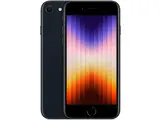
iPhone SE 3
Image by: Apple
The most significant difference between the iPhone SE 2 and SE 3 lies in their performance.
The iPhone SE 3 is powered by Apple’s A15 Bionic chip, the same chip found in the iPhone 13 lineup. This makes it significantly faster than the iPhone SE 2, which runs on the older A13 Bionic chip.
In everyday use, both phones feel snappy and responsive. However, the iPhone SE 3’s superior processing power becomes evident in demanding tasks like gaming, video editing, and multitasking. Apps launch faster, games run smoother, and switching between tasks is more seamless on the SE 3.
For most users, the iPhone SE 2’s performance is still more than adequate for everyday tasks and casual gaming. However, if you’re a power user demanding top-notch performance or planning to keep your phone for several years, the iPhone SE 3’s future-proof A15 Bionic chip is a compelling reason to upgrade
Cameras
On paper, the iPhone SE 2 and SE 3 have identical camera systems. Both feature a single 12MP wide lens on the rear and a 7MP front-facing camera. However, the iPhone SE 3 benefits from the A15 Bionic chip’s improved image signal processor (ISP), which enables several key enhancements.
The iPhone SE 3 offers better image processing, resulting in photos with improved detail, color accuracy, and dynamic range. It also introduces Photographic Styles, a feature that lets you customize the look of your photos by adjusting tone and warmth.
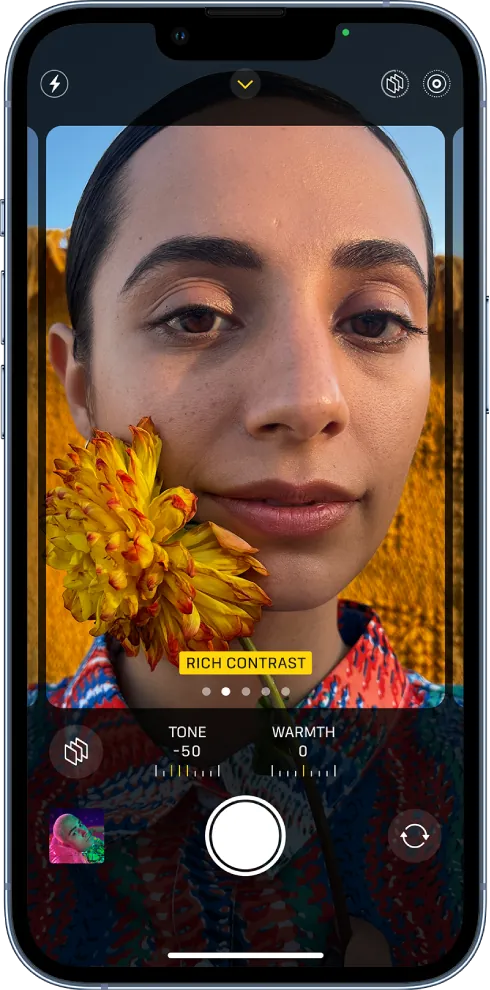
iPhone’s Photographic Styles
In low-light conditions, the iPhone SE 3’s Deep Fusion technology delivers better image quality than the SE 2. Deep Fusion uses machine learning to analyze and combine multiple exposures to create a single, detailed image with less noise.
Both models can record videos in 4K resolution at up to 60fps, and they offer cinematic video stabilization for smoother footage. However, the iPhone SE 3’s improved ISP allows for better video quality, especially in challenging lighting situations.
While the iPhone SE 2’s camera is still capable of taking great photos and videos, the SE 3’s enhanced software capabilities make it a better choice for those who prioritize photography and videography.
Battery life and charging
One of the most significant improvements in the iPhone SE 3 is its battery life. Thanks to the more efficient A15 Bionic chip and a slightly larger battery, the SE 3 offers a noticeable boost in longevity compared to the SE 2.
Apple claims that the iPhone SE 3 can last up to 2 hours longer for video playback and 10 hours longer for audio playback than its predecessor. In real-world use, users have reported that the SE 3 can comfortably last a full day on a single charge with moderate usage.
Both models support fast charging, allowing you to quickly top up your battery when you’re in a hurry. However, Apple names a different adapter for each. The iPhone SE 2 reaches up to 50% charge in 30 minutes with an 18W adapter or higher, while the iPhone SE 3 needs a 20W adapter or higher for the same result.
Both phones also support Qi wireless charging, a convenient feature for those who prefer a cable-free charging experience.