


To buy a used iPhone safely in 2026, buy a tested, warrantied refurbished iPhone from a vetted seller rather than an as-is unit from a stranger. The two cost about the same at the low end, but a refurbished iPhone is inspected, erased, and covered by returns, which removes the two risks that ruin most private-sale purchases: a hidden fault and an Activation Lock you cannot clear.
This guide covers where to buy, what to check, and what each model is actually worth. RefurbMe is a price-comparison site for refurbished Apple products, so the prices below are pulled from live listings across sellers and verified before publishing.
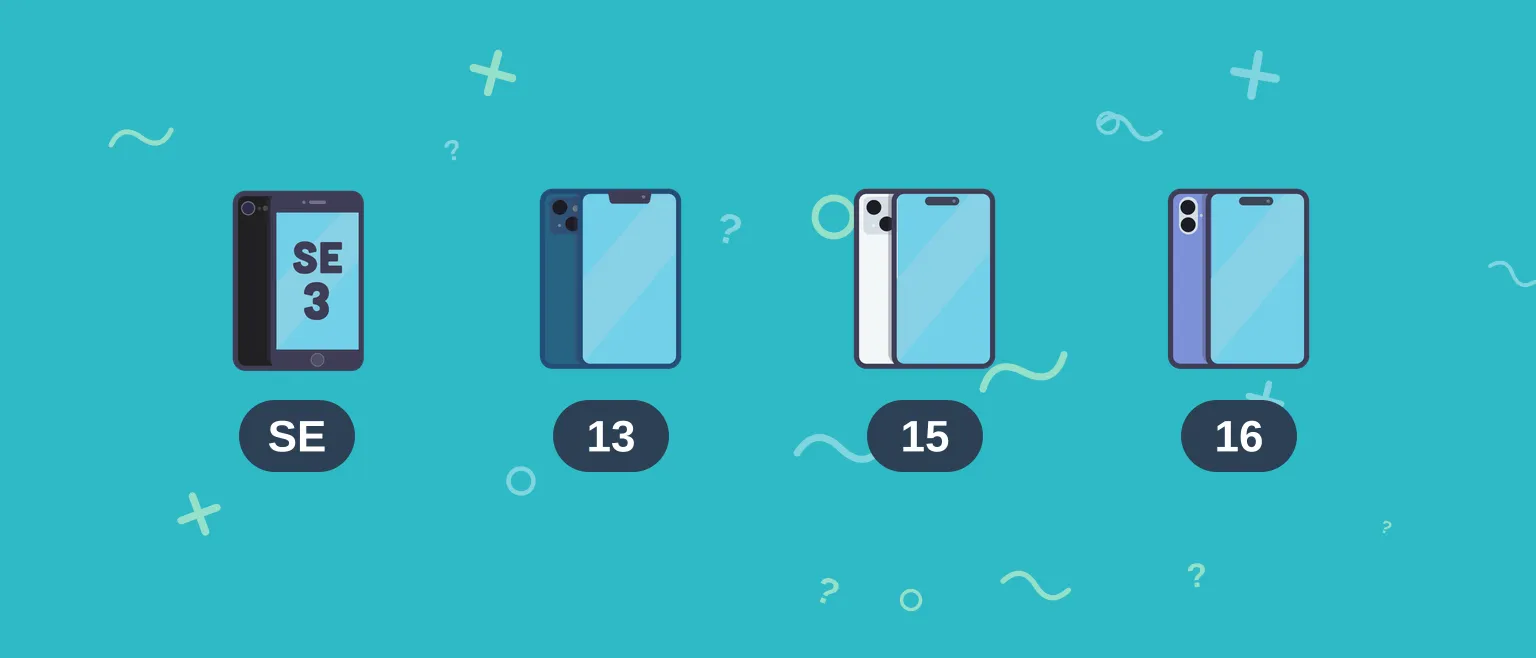
Used vs Refurbished iPhone: Why the Price Gap Is Smaller Than Expected
A "used" iPhone is sold as-is by its previous owner, typically through a marketplace like Facebook, Craigslist, or the open eBay listings. There is no inspection, no warranty, and no recourse if it arrives faulty, carrier-locked, or still tied to someone else's Apple Account. A refurbished iPhone has been tested, cleaned, graded for cosmetic condition, and reset by a professional refurbisher, then sold with a warranty and a return window.
The surprise for most shoppers is that the price gap is small. Entry-level refurbished iPhones start around the same figure as a private-sale unit, because refurbishers buy in volume and resell at scale. You pay little or nothing extra for the testing and the warranty, which is why refurbished is the safer default for almost every buyer.
RefurbMe data point
A refurbished iPhone takes a median of 82 days to first reach the resale market after Apple releases it (Time-to-Refurb, the median days from an iPhone's release to its first recorded refurbished listing, as of September 2026, per the RefurbMe iPhone stats). So a model launched last fall is already common refurbished, while anything from 2023 or earlier is plentiful and cheap.
Across every iPhone model RefurbMe has tracked, the median refurbished discount versus the original Apple price is about 84% (a family median skewed high by legacy models like the iPhone 4s, not the discount you will see on a current model). For a realistic figure on a specific model, use the live per-model prices in the refurbished iPhone comparison rather than the family median.
Best Places to Buy a Used iPhone in 2026 (Ranked by Safety)
The safest way to shop is to compare vetted refurbishers side by side, then buy from the one with the best price and warranty for the model you want. Ranked from safest to riskiest, here is where used iPhones come from.
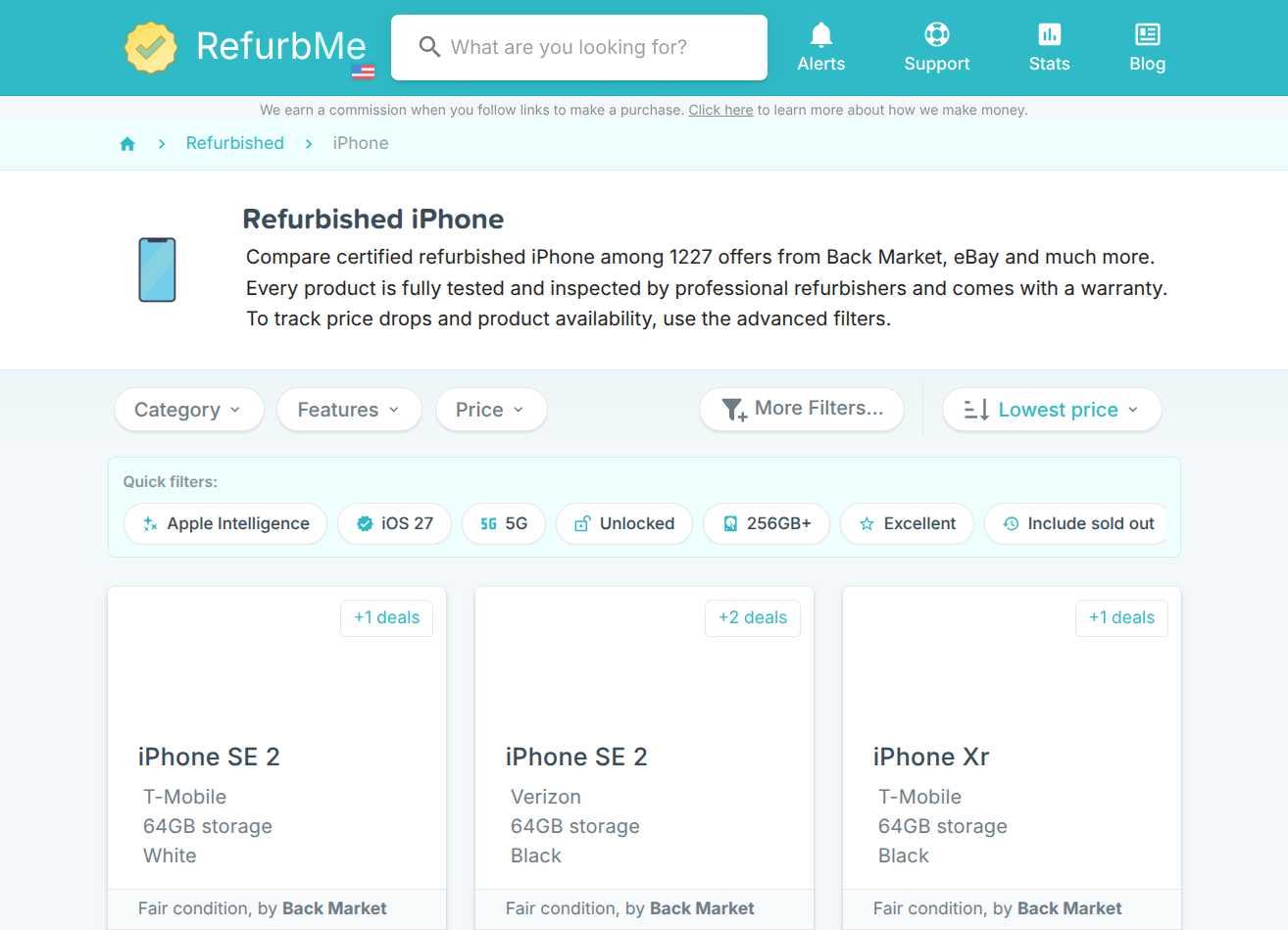
- Back Market. A dedicated refurbished marketplace with graded conditions, a standard warranty, and a 30-day return window. It usually carries the widest selection of refurbished iPhones and is the first place to check for value.
- Gazelle. A US refurbisher known for tight grading and a 30-day return policy. Good for mainstream iPhone models in clean, unlocked condition.
- Amazon Renewed. Amazon's vetted refurbished program, with a 90-day Renewed Guarantee. Convenient if you already shop there, though selection on specific iPhone models varies.
- eBay Refurbished. eBay's vetted Certified Refurbished program (graded conditions, seller-trust requirements, 30-day returns, and a warranty). This is distinct from open, peer-to-peer eBay listings, which are unvetted and carry the same risks as any private sale. Buy from the Refurbished program, not the open marketplace.
- Apple Certified Refurbished. Apple's own refurbished store sells like-new units with a full one-year warranty. Stock is limited and rarely includes older models, but it is the gold standard for peace of mind. Treat it as a trust benchmark rather than the cheapest option.
- Local marketplaces (Facebook, Craigslist, OfferUp). Cheapest headline prices, highest risk. Only viable if you can inspect the device in person, watch it erase to the setup screen, and confirm it is removed from the seller's Apple Account before paying.
Apple's own guidance is blunt about the last category: "Before you buy an iPhone or iPad from someone other than Apple or an Apple Authorized Reseller, make sure that the device is erased and no longer linked to the previous owner's account" (see Apple's Activation Lock support page). If you cannot verify that on the spot, walk away, whatever the discount.
Compare refurbished iPhone prices
See live prices across Back Market, Gazelle, Amazon Renewed, eBay Refurbished, and more in one place.
Compare iPhone DealsThe Used-iPhone Pre-Buy Checklist
Whether you buy refurbished or from an individual, run the same checklist. A refurbisher has already done most of this, which is exactly why it is safer, but verifying it yourself costs nothing and takes about five minutes.
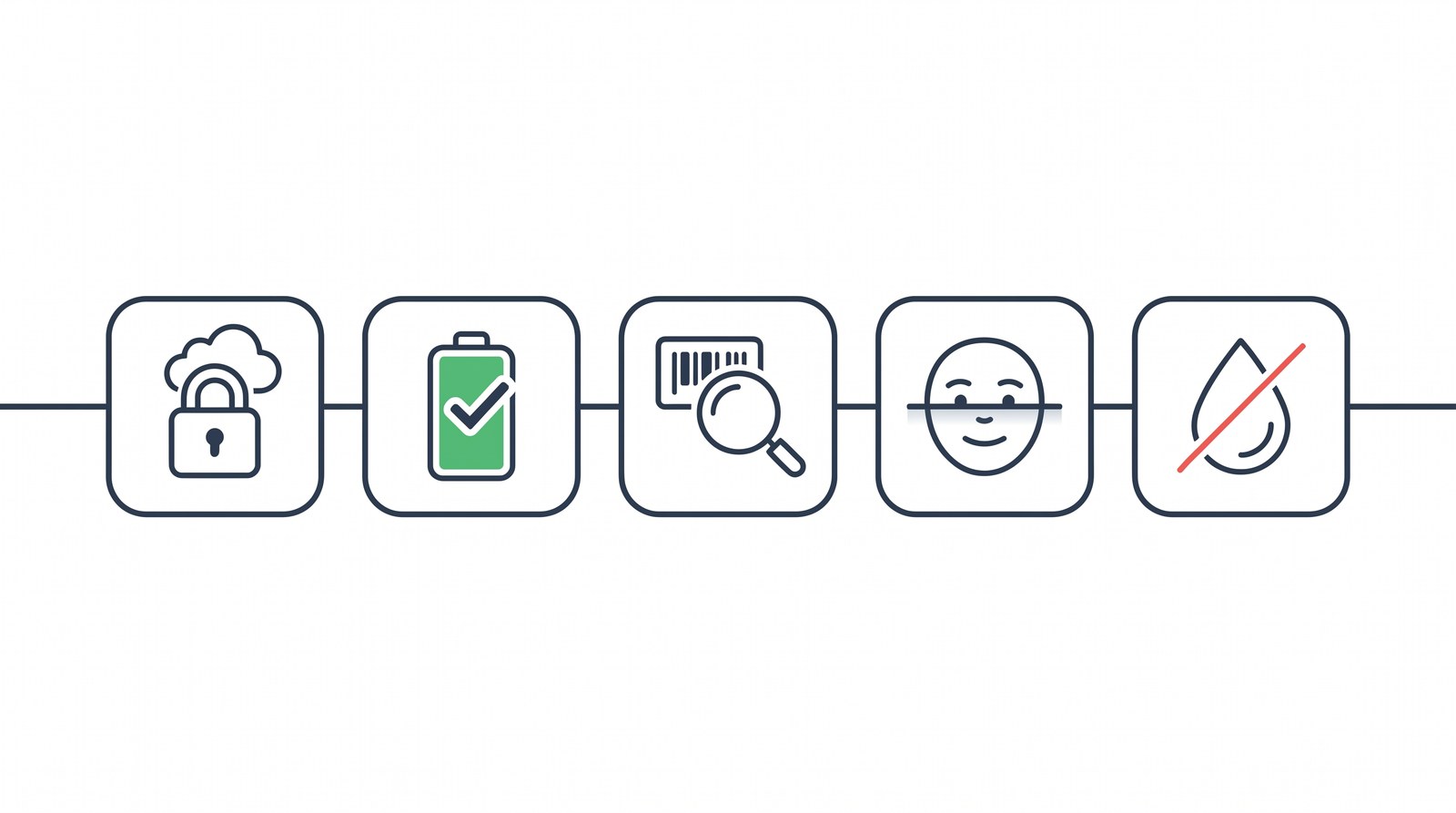
Activation Lock and iCloud status
This is the single check that can brick the phone permanently, and there is no workaround. Activation Lock turns on automatically once the previous owner sets up Find My, and Apple states that "Don't take ownership of any used iPhone or iPad if it's protected by Activation Lock" (Apple Support). Before you pay, the iPhone must be reset to the setup ("Hello") screen and must not ask for any previous Apple Account during setup. If it powers on to someone's home screen, or shows "iPhone Locked to Owner" when you wake it, walk away.
The clean way to hand over a device is for the seller to sign out of their Apple Account in Settings, then erase all content and settings, which turns off both Find My and Activation Lock (see Apple's guide to preparing a device for sale). This is another reason to prefer a refurbisher: reputable sellers guarantee the device is unlocked, and their return policy backs it up.
Battery health
Aim for 80% or higher Maximum Capacity, the level Apple designs its batteries around and the threshold AppleCare uses to trigger a free replacement. On iPhone 15 and later, open Settings, then Battery, then Battery Health, which also shows the cycle count. On iPhone 11 through 14, the same path shows capacity but no cycle count. For the full breakdown by generation, and what each seller actually guarantees, see what counts as good iPhone battery health.
Carrier lock
A carrier-locked iPhone only works with SIMs from the carrier that financed it, and unlocking it depends entirely on that carrier's own policy, not Apple's. Ask the seller directly whether the phone is unlocked, and confirm it by inserting a SIM from a different carrier before paying. A refurbished listing marked "unlocked" has already cleared this check; a private-sale phone has not, unless the seller shows you a carrier unlock confirmation.
IMEI and blacklist status
Every iPhone has a unique IMEI, visible by dialing *#06# or checking Settings, then General, then About. Run that number through your carrier's own IMEI checker or a blacklist-check service before paying. A blacklisted IMEI means the phone was reported lost or stolen, or still carries an unpaid balance, and it will not activate on any carrier network regardless of what the seller promises. Blacklist status and carrier lock are two separate checks: a phone can be unlocked and still blacklisted, or locked and perfectly clean.
Parts and Service History
On iOS 15.2 and later, open Settings, then General, then About, and scroll to Parts and Service History if the iPhone has been repaired. Apple's own labels are "Genuine" (original Apple parts), "Unknown" (a nongenuine part, or one not performing as expected), "Unverified" (the logic board was replaced), or "Used" (a part already installed in another iPhone) (Apple Support). An "Unknown" or "Unverified" flag on the battery, screen, or camera is not automatically a dealbreaker, but it is a reason to negotiate the price or lean toward a refurbisher whose warranty covers exactly this kind of surprise.
Face ID or Touch ID
Test the biometric sensor before you commit. Apple digitally pairs Face ID and Touch ID hardware to the original logic board, so a screen or sensor swapped with a nongenuine part after an uncertified repair can disable Face ID permanently, with no fix short of a full board replacement. If Face ID or Touch ID fails to set up, or the Parts and Service History screen flags the relevant part, treat it as a real problem, not a glitch.
Liquid contact indicator
On iPhone 13 and earlier, and on non-US iPhone 14 and later models, a Liquid Contact Indicator sits inside the SIM tray and turns from white to red on contact with water; remove the tray and check it under a bright light. US iPhone 14 and later models ship eSIM-only with no physical SIM tray at all (Apple Support), so their indicator is sealed internally and not visually checkable by a buyer. On those models, judge liquid exposure by behavior instead: test both speakers for a crackle, the microphone, both cameras for internal fog, and the charging port for corrosion.
A full hardware test
Finish with the basics: cracked or discolored screen, dead pixels, dead touch spots, working volume and power buttons, both cameras, both speakers, and a normal charge cycle. On a refurbished purchase, the seller's warranty covers anything you miss; on a private sale, this walkthrough is the only protection you get.
What a Used iPhone Actually Costs by Model in 2026
The table below shows the lowest verified refurbished price per model on RefurbMe as of early September 2026. Most of these floors are carrier-locked units, so if you need to switch networks, filter for unlocked and expect to pay above the figure shown. A private-sale "used" price is usually a little lower, but without the warranty, testing, or Activation Lock guarantee, so treat these refurbished floors as the safer benchmark.
Two things stand out. The iPhone 14 and iPhone 13 sit within $2 of each other, but they are not the same deal: the cheapest iPhone 14 is a carrier-locked unit while the cheapest iPhone 13 is unlocked, so compare lock status before assuming the newer model is the better buy. And the iPhone 16, the newest model with meaningful refurbished stock, sits closest of the six to its original launch price, which is the general rule: the newest model is the worst used value, and a generation or two back is usually the smart buy. To see the full picture, browse the best refurbished iPhones ranked by value, or the wider seller-by-seller breakdown in best places to buy refurbished iPhones.


64GB storage
Midnight

When a Used iPhone From an Individual Actually Makes Sense
A private-sale used iPhone is worth the risk in a narrow set of cases: you can inspect the device in person, watch the seller erase it to the setup screen in front of you, verify the IMEI is clean, and the price is meaningfully below the refurbished floor for that model, not just a few dollars. It also makes sense when you already know the seller, such as a family hand-me-down, where the Activation Lock risk effectively disappears.
Outside those cases, a refurbished iPhone from a vetted seller is the better deal more often than shoppers expect, because the two options usually cost close to the same amount. You are not paying a premium for the warranty and the testing; you are getting them for close to free. That is the core argument this guide keeps coming back to, and it is the same conclusion our used iPad buying guide reaches for Apple's tablets, our used MacBook buying guide reaches for laptops, and our broader look at whether Apple refurbished is worth it reaches across the whole product lineup.
When the safest option costs about the same, the math is simple: compare refurbished iPhone prices first, and only consider a private sale if it clearly beats the refurbished floor and passes every check above.
FAQ
First published: Sep 7, 2026


