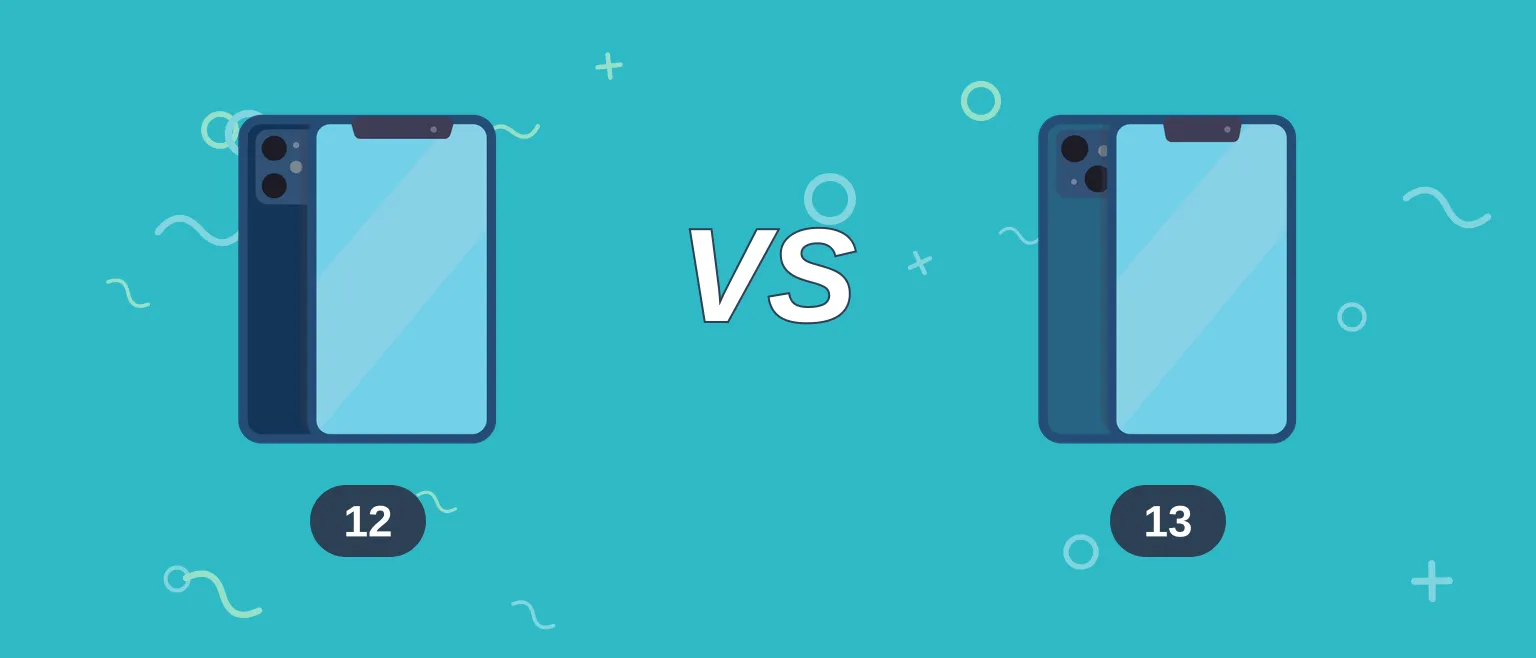
iPhone 12 vs. iPhone 13: Which Should You Buy in 2026?
Buy the refurbished iPhone 13 unless the price is the whole point. It is brighter in daylight, stabilizes at the sensor rather than the lens, records Dolby Vision at 4K/60 instead of 4K/30, adds Cinematic mode, and runs two hours longer on video playback, usually for a modest premium at refurbished prices.
Simo Elalj, CEO at RefurbMe Last updated · 10 min reading time
The refurbished iPhone 12 is the better bargain, and not a compromised one: both phones run iOS 27, released on 14 September 2026, and they share the same 6.1-inch Super Retina XDR OLED panel, the same 12 MP lens pair, 5G, Face ID, MagSafe, and IP68. Below is every difference between them, drawn from Apple's own tech specs.
Quick answer: iPhone 12 or iPhone 13 in 2026?
Pick the iPhone 13 if you shoot video, play graphics-heavy games, or plan to keep the phone past 2028. Pick the iPhone 12 if you want the lowest price on a phone that still runs Apple's current software, because on calls, messaging, browsing, and daylight photos the two are indistinguishable.
The premium between them is the whole decision, and it moves week to week, so compare it live. Right now a refurbished iPhone 12 starts at $154 and a refurbished iPhone 13 starts at $201 carrier-locked across the refurbishers RefurbMe tracks.
RefurbMe's own tracking shows how fast each phone reached the refurbished market: the iPhone 12 first appeared in stock refurbished 68 days after Apple announced it and the iPhone 13 took 59 days, both close to the 67-day median Time-to-Refurb across every iPhone model RefurbMe tracks (as of October 2026, source: our iPhone refurbished price stats). Both first showed up at Back Market.
The median Refurb Discount across the whole iPhone family is 77% off original list price (as of October 2026, iPhone stats). That median spans phones Apple stopped selling a decade ago, so read it as why a 2020 phone now sits near the bottom of the market, not as what you save on a current model.
Live offers on both come from Back Market, Gazelle, Amazon Renewed, and eBay Refurbished, with the lineup depending on your market: Back Market covers the US and the UK, while Gazelle is US only. You can also compare every refurbished iPhone model side by side.
iPhone 12 vs. iPhone 13: Differences
The table below shows the most important differences between the two models at a glance, using Apple's published figures.
Feature
iPhone 12
iPhone 13
Display brightness
625 nits max brightness (typical)
800 nits max brightness (typical)
Processor
A14 Bionic chip
A15 Bionic chip
Battery life
Up to 17 hours video playback Up to 11 hours streamed Up to 65 hours audio
Up to 19 hours video playback Up to 15 hours streamed Up to 75 hours audio
Camera OIS
Optical image stabilization (Main)
Sensor-shift optical image stabilization (Main), as on the iPhone 12 Pro Max
HDR
Smart HDR 3 for photos
Smart HDR 4 for photos
Photographic Styles
No
Yes
Cinematic Mode
No
Yes (1080p at 30 fps)
Video recording
Dolby Vision HDR up to 4K at 30 fps
Dolby Vision HDR up to 4K at 60 fps
Wireless charging
MagSafe up to 15W Qi up to 7.5W
MagSafe up to 15W Qi2 up to 15W Qi up to 7.5W
SIM
Dual SIM (nano-SIM and eSIM)
Dual SIM (nano-SIM and eSIM) and dual eSIM support
Size and weight
164 grams, 7.4 mm deep
174 grams, 7.65 mm deep
Storage
64 GB / 128 GB / 256 GB
128 GB / 256 GB / 512 GB
Max OS compatibility
iOS 27
iOS 27
Colors
White, black, blue, purple, green, and PRODUCT(Red)
Starlight, Midnight, blue, pink, green, and PRODUCT(Red)
One row other comparison pages carry is missing here on purpose: battery capacity in mAh. Apple publishes no capacity figure for either phone, so there is no sourced number for the cell. The battery-life rows above are Apple's own.
iPhone 12 vs. iPhone 13: Similarities
Despite the one-year gap between them, the iPhone 12 and 13 share a great deal:
6.1-inch Super Retina XDR OLED display with HDR, True Tone, Wide color (P3), and Haptic Touch
Identical 2,000,000:1 contrast ratio (typical) and 1200 nits peak HDR brightness
Ceramic Shield front, glass back, and an aluminum design
6-core CPU (2 performance, 4 efficiency), 4-core GPU, and 16-core Neural Engine
Dual 12 MP rear cameras: f/2.4 Ultra Wide and f/1.6 Main, plus a 12 MP f/2.2 TrueDepth front camera
2x optical zoom out, Night mode, Portrait mode with Depth Control, Deep Fusion, True Tone flash
4K video at 24, 25, 30, or 60 fps, audio zoom, slow-motion to 240 fps at 1080p, Night mode time-lapse
5G (sub-6 GHz and mmWave) and Face ID
IP68, rated to a maximum depth of 6 meters for up to 30 minutes
MagSafe up to 15W, and fast charging to 50% in 30 minutes with a 20W adapter or higher
Lightning connector (note: iPhone 15 and later use USB-C)
Available in 128 GB and 256 GB storage options
Both run iOS 27, released on 14 September 2026
iPhone 12 vs. iPhone 13: Which one should you choose?
Design
The iPhone 12 and 13 are nearly identical in form: flat aluminum band, trimmed edges, and a single pane of polished glass on the back. Two changes are visible at a glance. Apple redesigned the TrueDepth camera system on the iPhone 13 so the notch is smaller while keeping Face ID intact, and the rear lenses moved to a diagonal arrangement (which Apple says made room for the newer camera hardware).
iPhone 12 camera
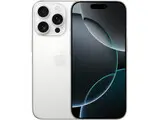
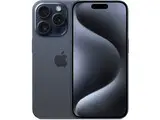
Color selection differs too: the iPhone 12 came in white, black, blue, purple, green, and PRODUCT(Red), while the iPhone 13 introduced Starlight, Midnight, blue, pink, green, and PRODUCT(Red).
Display
Both phones carry the same 6.1-inch Super Retina XDR OLED panel with HDR, True Tone, Wide color, and Haptic Touch, at the same 2532 by 1170 resolution. The iPhone 13 edges ahead on sustained brightness: Apple rates it at 800 nits max brightness (typical) against 625 nits on the iPhone 12.
The two figures that decide image quality are identical, though: contrast ratio (2,000,000:1 typical) and peak HDR brightness (1200 nits). So HDR photos and Dolby Vision video look the same on both, and what the iPhone 13 really buys you is legibility in direct sunlight.
Performance
Apple describes the two chips identically at the top level: a 6-core CPU with 2 performance and 4 efficiency cores, a 4-core GPU, and a 16-core Neural Engine. The A15 Bionic in the iPhone 13 is a generational step over the A14 rather than a structural one, which is why browsing, messaging, and streaming feel the same on both.
The gap shows under sustained load: graphics-heavy games and long 4K exports lean on the newer GPU and the A15's better efficiency, so the iPhone 13 holds its frame rate and its charge longer. Apple publishes no GPU clock speed for either chip, so treat any megahertz figure quoted elsewhere as a third-party estimate rather than a specification.
Both phones run iOS 27, which Apple announced at WWDC on 8 June 2026 and released on 14 September 2026 with the same compatibility list as iOS 26. One ceiling applies to each: Apple's device requirements for Apple Intelligence start at "iPhone 15 Pro models, and iPhone 16 models or later", so neither gets those on-device features.
Looking further out, the iPhone 12 is expected to receive iOS support through approximately 2027-2028 and the iPhone 13 through around 2028-2029, a one-year advantage that matters if you plan to hold the device for three or more years.
Both phones use dual 12 MP rear cameras with an f/2.4 Ultra Wide and an f/1.6 Main lens, so the sensors and apertures are a wash. The differentiation is elsewhere. On the hardware side, the iPhone 13 gains sensor-shift optical image stabilization on its Main camera (the same technology Apple put in the iPhone 12 Pro Max), which compensates for hand movement at the sensor level rather than the lens.
That produces sharper photos in low light and steadier handheld video than the plain optical image stabilization in the iPhone 12, and it is the largest practical camera difference between the two.
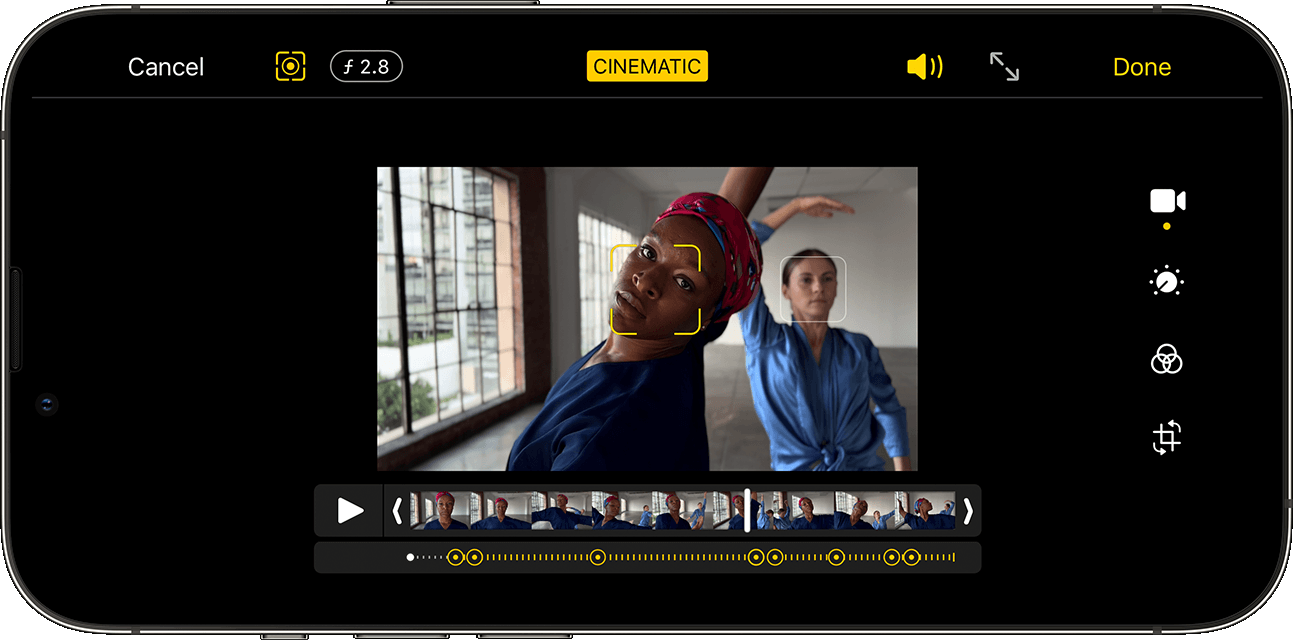
On the software side, the iPhone 13 adds Cinematic mode, which applies automatic rack-focus effects to video at 1080p and 30 fps, and Photographic Styles, presets that adjust tone and color while preserving accurate skin tones rather than filtering the whole image. Apple also moved it from Smart HDR 3 to Smart HDR 4, and to Dolby Vision HDR at 4K/60 fps against 4K/30 fps.
iPhone 13's Cinematic Mode
Battery
Apple publishes battery life in hours rather than capacity, and on its own figures the iPhone 13 wins on every measure: up to 19 hours of video playback against 17 hours, 15 hours of streamed video against 11, and 75 hours of audio against 65.
The streamed-video figure is the one worth weighing, because streaming is how most people actually watch. Going from 11 to 15 hours is a 36% jump, which on a long day out is the difference between arriving with charge and arriving without.
Apple does not publish a battery capacity in mAh for either phone. Its tech-spec pages list only a "built-in rechargeable lithium-ion battery" next to the hour figures above, so any mAh number quoted elsewhere for the iPhone 12 or iPhone 13 is a third-party teardown estimate, not a specification.
On a used phone the number that matters is battery health, in Settings under Battery. If it has degraded, budget for a replacement through Apple or an Apple Authorized Service Provider, and ask the refurbisher whether the cell was already replaced.
Both fast-charge to 50% in 30 minutes with a 20W adapter or higher and support MagSafe up to 15W. The iPhone 13 adds Qi2 at up to 15W, where the iPhone 12 tops out at 7.5W on a plain Qi pad.
Storage
The iPhone 13 starts at 128 GB and tops out at 512 GB. The iPhone 12 began at 64 GB but is now rarely found new; refurbished units are most commonly 128 GB or 256 GB. If storage headroom matters, the iPhone 13 is the clear choice.
Verdict: Should you upgrade from iPhone 12 to 13?
Short answer: If you own an iPhone 12 and it works well, the iPhone 13 is not a compelling reason to spend more money. The differences (brighter screen, slightly longer battery, Cinematic mode) are real but incremental.
If you are buying a refurbished phone in 2026, the calculus changes. The iPhone 13 typically commands a modest premium over the 12, but delivers noticeably better video capabilities (sensor-shift OIS, 4K/60 fps, Cinematic mode), a larger minimum storage option, and roughly one additional year of iOS support. For most buyers, the iPhone 13 is the better long-term pick, since the extra spend is small at refurbished prices and buys meaningful future-proofing.
If you are coming from an iPhone 11 or older, either model represents a substantial upgrade. For readers eyeing a bigger generational jump, our iPhone 13 vs. iPhone 15 comparison is worth reading before you decide. If you are weighing the latest generation instead, our iPhone 14 vs. iPhone 15 comparison covers the current mainstream sweet spot.
Conclusion
The iPhone 12 and iPhone 13 are close siblings; few differences justify an upgrade from one to the other. That said, both remain capable smartphones in 2026 and both run iOS 27, meaning they continue to receive Apple's latest features and security patches.
Choose the iPhone 13 if you care about video quality (Cinematic mode, 4K/60 fps), frequently play graphics-intensive games, or want the extra headroom of 512 GB storage.
Choose the iPhone 12 if you want a powerful everyday smartphone at the lowest possible price. With the iPhone 17 family now leading Apple's lineup, earlier models are available at significant discounts, especially refurbished.
from $201 carrier-lockedin Fair Refurbished iPhone 13 · 3 configurations at 4 sellers. Checked Oct 5, 12:05 PM EDT.
One practical note for 2026 buyers: both the iPhone 12 and 13 use Apple's Lightning connector, while iPhone 15 and later switched to USB-C. If you rely on USB-C accessories, factor that into your decision.
from $154in Fair Refurbished iPhone 12 · 3 configurations at 4 sellers. Checked Oct 5, 12:05 PM EDT.
Buying refurbished means the same hardware at a fraction of the price, fully tested, restored to factory condition, and sold with a professional warranty. RefurbMe ranks live offers from Back Market, Gazelle, Amazon Renewed, and eBay Refurbished side by side, and Apple refurbishes its own iPhones too, so you can see how the Apple Store price compares. Every seller RefurbMe lists is vetted for quality and reliability.
On RefurbMe, we compare hundreds of refurbished Apple devices from the most reputable sellers. Get your refurbished iPhone today.
Not ready to buy?
Email me when a refurbished iPhone 13 is listed under $180. You also get our weekly deals email. Unsubscribe anytime.
FAQ
Is the iPhone 13 better than the iPhone 12?
Yes, the iPhone 13 is an improvement in every measurable way: brighter display, faster chip, longer battery, better video capabilities, and larger storage options. The gap is modest, which makes the iPhone 12 a strong value pick at a lower price.
What is the biggest difference between the iPhone 12 and iPhone 13?
The most significant practical differences are Cinematic mode (video with automatic depth-of-field), 4K/60 fps Dolby Vision video recording (versus 4K/30 fps on the 12), and two additional hours of battery life on video playback. The A15 Bionic chip also holds performance better under sustained load, which shows up in gaming.
What is the iPhone 13 battery capacity in mAh?
Apple does not publish one. Its iPhone 13 tech specs give battery life in hours (up to 19 hours of video playback, 15 hours streamed, 75 hours of audio) next to a 'built-in rechargeable lithium-ion battery' and no mAh or watt-hour figure anywhere on the page. The same is true of the iPhone 12. Any mAh number you find for either phone is a third-party teardown estimate, and on a used device it tells you less than the battery health percentage in Settings under Battery.
Does the iPhone 13 have better camera stabilization than the iPhone 12?
Yes. The iPhone 13 uses sensor-shift optical image stabilization on its Main camera, which moves the image sensor itself to correct for hand shake. The iPhone 12 uses standard optical image stabilization on the lens. Sensor-shift OIS produces sharper images in low light and noticeably steadier handheld video. It is the same technology Apple introduced in the iPhone 12 Pro Max before bringing it to the standard iPhone 13.
Do the iPhone 12 and iPhone 13 still receive iOS updates in 2026?
Yes. Both run iOS 27, which Apple released on 14 September 2026 with the same compatibility list as iOS 26. Apple typically supports iPhone models for five to six years, which puts the iPhone 12 at roughly 2027-2028 and the iPhone 13 at roughly 2028-2029.
Do the iPhone 12 and iPhone 13 get Apple Intelligence?
No. Both keep receiving iOS releases and security updates, but Apple's device requirements for Apple Intelligence start at 'iPhone 15 Pro models, and iPhone 16 models or later', so the A14 and A15 sit below the floor. If those on-device features are why you are buying, look at a refurbished iPhone 15 Pro or newer.
Should I buy an iPhone 12 or iPhone 13 refurbished in 2026?
For most buyers, the iPhone 13 is the better long-term investment: meaningfully better video, and less likely to feel dated over the next two or three years. If budget is the priority, a refurbished iPhone 12 in 128 GB or 256 GB is excellent value and still receives full iOS support. Compare the live gap on this page first, because it moves week to week across Back Market, Gazelle, Amazon Renewed, and eBay Refurbished.
Last updated: Sep 15, 2026 ·
First published: Apr 23, 2024
Simo Elalj
CEO and Founder at RefurbMe. I made this project back when I was 15 when I had to wake up at 2am to buy my own refurbished Macbook Pro. Passionate about circular economy, great UX and goats.