iPhone 15 vs. iPhone 16: Which one should you pick?
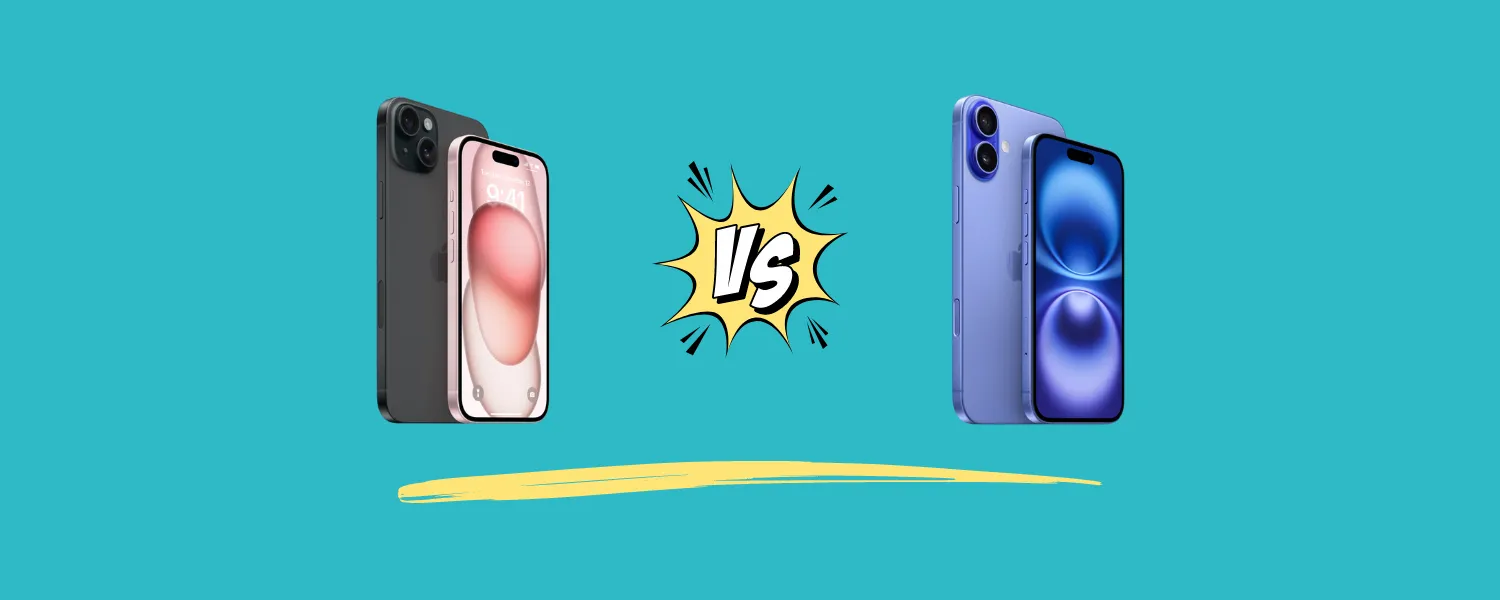
The iPhone 15 and the iPhone 16 offer great features, but one may suit your needs better than the other, depending on your priorities. Here’s a detailed comparison to help you make the right choice.
Design and build
The iPhone 15 and iPhone 16 share a very similar design, with minimal differences in dimensions and weight.
Both models retain the sleek, modern design language Apple is known for, featuring flat edges, aluminum frames, and Ceramic Shield glass for durability.
They measure 147.6 x 71.6 x 7.8 mm (5.81 x 2.82 x 0.31 inches), making them virtually identical in size. The iPhone 16 is slightly lighter, weighing 170g (6 oz) compared to the iPhone 15’s 171g (6.02 oz), but this difference is almost negligible in hand.

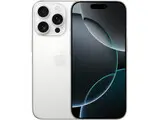
iPhone 16
Image by: Apple
A key new addition on the iPhone 16 is the Action button, which replaces the mute switch. This customizable button allows users to quickly access specific features like the camera, flashlight, or Focus modes, adding a layer of convenience that wasn’t available on the iPhone 15.
Lastly, the iPhone 16 continues Apple’s focus on durability with an IP68 water and dust resistance rating, capable of withstanding submersion up to 6 meters for 30 minutes, just like the iPhone 15.
⭐ While both models deliver a similar viewing experience, the iPhone 16 offers a slight edge with improved brightness control, making it slightly better suited for varied lighting environments.
Display
Both the iPhone 15 and iPhone 16 feature a 6.1-inch OLED Super Retina XDR display with the same 2,556 x 1,179 pixel resolution, delivering sharp and vibrant visuals.
The pixel density on both models is 460 ppi, ensuring crisp images and text, ideal for everyday use and media consumption.
Where the iPhone 16 shines is in brightness control. Both phones reach 1,600 nits peak HDR brightness and 2,000 nits outdoor peak, but the iPhone 16 drops to a 1-nit minimum brightness, lower than the iPhone 15’s floor, which makes night reading easier. This makes the iPhone 16 display a little more adaptable across lighting conditions.
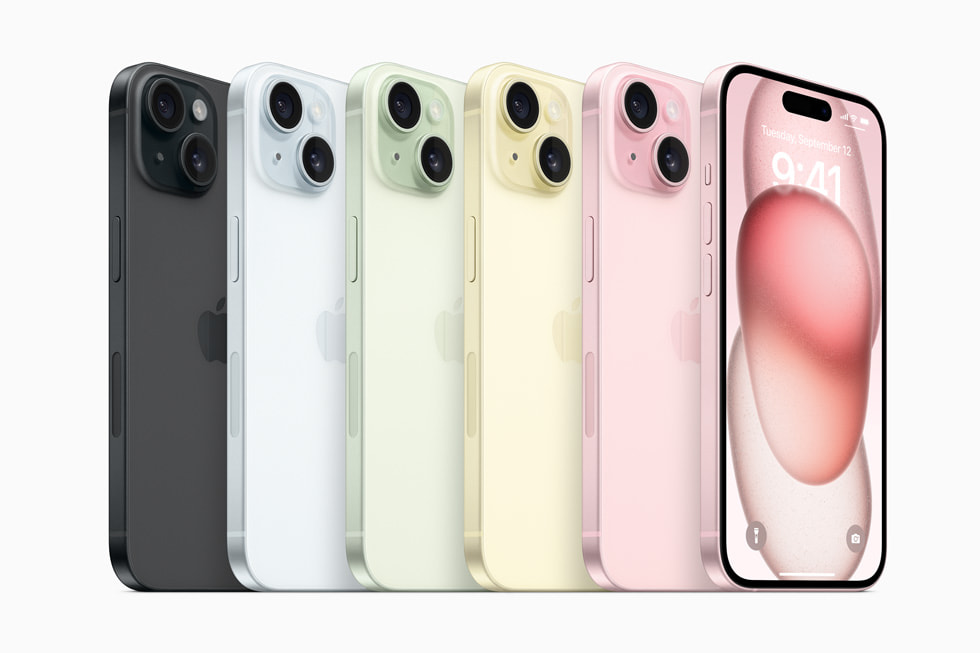
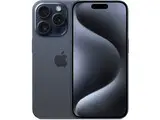
iPhone 15
Image by: Apple
Both phones stick with a 60Hz refresh rate, which, while smooth enough for most users, may be less ideal for those seeking the buttery-smooth experience found on higher-refresh-rate displays.
If you want adaptive refresh rates up to 120Hz, you will need to opt for the Pro and Pro Max models of both lineups.
⭐ In short, the iPhone 16 offers a slight edge with improved brightness control, making it slightly better suited for varied lighting environments.
When it comes to performance, the iPhone 16 outpaces the iPhone 15, thanks to its more powerful A18 Bionic chip. Built on a 3nm process, the A18 offers significant improvements in both speed and efficiency compared to the A16 Bionic found in the iPhone 15, which uses a 4nm process.
This newer architecture enhances performance for tasks like gaming, multitasking, and AI-driven applications.
The iPhone 15 has 6GB of RAM and the iPhone 16 has 8GB, which Apple Intelligence needs. Both run everyday tasks smoothly, but the A18’s enhanced neural engine gives the iPhone 16 an edge in handling complex AI tasks and machine learning.

Apple Intelligence writing tools
Image by: Apple
The iPhone 16 also offers better support for advanced features like Apple Intelligence, which provides smarter assistance and contextual actions based on user behavior.
⭐ If you’re looking for a phone that can handle demanding applications and is more future-proof in terms of processing power, the iPhone 16 offers a noticeable upgrade.
Cameras
The iPhone 15 and iPhone 16 both feature impressive camera systems, but the iPhone 16 offers subtle yet significant upgrades.
Both models have a 48MP main (wide) camera with an f/1.6 aperture, delivering high-resolution images and excellent low-light performance.
They also share a 12MP ultra-wide camera, though the iPhone 16 improves on this with a slightly faster f/2.2 aperture (compared to f/2.4 on the iPhone 15), allowing more light for better low-light shots. Both models support macro photography through the ultra-wide lens, so close-up shots are not exclusive to the iPhone 16.
On the video front, both phones offer 4K video recording at 24, 25, 30, and 60 fps, with Dolby Vision HDR for rich color and contrast. They also support 1080p slow-motion video at up to 240 fps and feature sensor-shift optical image stabilization, ensuring stable, high-quality videos even in motion.
Check this video by Alpha Tech for a camera test comparison. 👇
The iPhone 16 introduces the new Camera Control button, which enhances user control over the camera and makes it easier to capture photos or videos quickly. It also benefits from Apple Intelligence, offering improved AI-powered features like Photographic Styles and real-time scene recognition.
For selfie lovers, both phones feature a 12MP TrueDepth front camera, with no major changes in this department. However, the iPhone 16 leverages AI to enhance selfies and improve detail in various lighting conditions.
⭐ Overall, while the camera setup is quite similar on both models, the iPhone 16 offers better low-light performance, macro photography, and enhanced AI features, making it a better choice for photography enthusiasts.
Battery life and charging
The iPhone 16 offers a modest improvement in battery life compared to the iPhone 15 since it’s equipped with a 3,561mAh battery, while the iPhone 15 comes with a slightly smaller 3,349mAh battery.
This results in up to 22 hours of video playback on the iPhone 16, a slight increase over the iPhone 15’s 20 hours of video playback.
When it comes to charging, both models support 20W wired charging, but the iPhone 16 introduces faster 25W MagSafe wireless charging, compared to the iPhone 15’s 15W MagSafe limit.
In other words, the iPhone 16 charges more quickly when using MagSafe, making it more convenient for users who rely on wireless charging. Both phones are compatible with Qi2 wireless charging at up to 15W.
⭐ For most users, the battery life and charging speeds on the iPhone 15 are more than adequate. However, if you prioritize faster wireless charging and slightly longer battery life, the iPhone 16 offers a more efficient experience.
Connectivity
Both iPhones support 5G networks, including mmWave and Sub-6GHz bands, ensuring fast download speeds and broader network coverage.
However, the iPhone 16 leaps forward with Wi-Fi 7 support, which offers higher speeds and lower latency compared to the Wi-Fi 6 of the standard iPhone 15. Wi-Fi 7 is particularly beneficial in crowded network environments, offering much higher peak throughput on a compatible router.
Regarding Bluetooth, the iPhone 15 and iPhone 16 feature Bluetooth 5.3, ensuring compatibility with the latest wireless accessories and providing stable, low-latency connections.
And they both have USB-C connectors for charging and data transfer, but they retain USB 2.0 speeds, meaning data transfer rates remain similar across the two smartphones.
⭐ If future-proofing and faster wireless networking are important to you, the iPhone 16’s Wi-Fi 7 support provides a clear advantage over the iPhone 15’s Wi-Fi 6. Otherwise, both models offer robust connectivity features that will suit most users’ needs.
Conclusion
In conclusion, choosing between the iPhone 15 and iPhone 16 depends on your needs.
👉 The iPhone 15 offers exceptional performance with the A16 Bionic chip, great camera capabilities, and a lower price point, making it an excellent choice for most users.
👉 On the other hand, the iPhone 16 is aimed at power users who want faster performance, Wi-Fi 7, faster MagSafe charging, and AI-driven features through Apple Intelligence.
However, if you already own an iPhone 15, upgrading to the iPhone 16 might not be worth it unless you need those specific improvements. The iPhone 15 remains a strong contender and will provide exceptional performance for years to come. Buying refurbished narrows the price gap further and is a proven way to save on Apple devices.
To make your decision easier, use RefurbMe to compare iPhone models. Our platform saves you time by compiling phones from multiple stores, so you don’t have to visit each commerce site individually. Every refurbished iPhone includes a warranty and works like a new model. If you are weighing where to buy, see our guide to the best places to buy refurbished iPhones.
Check all available iPhones in real time here. 👇