


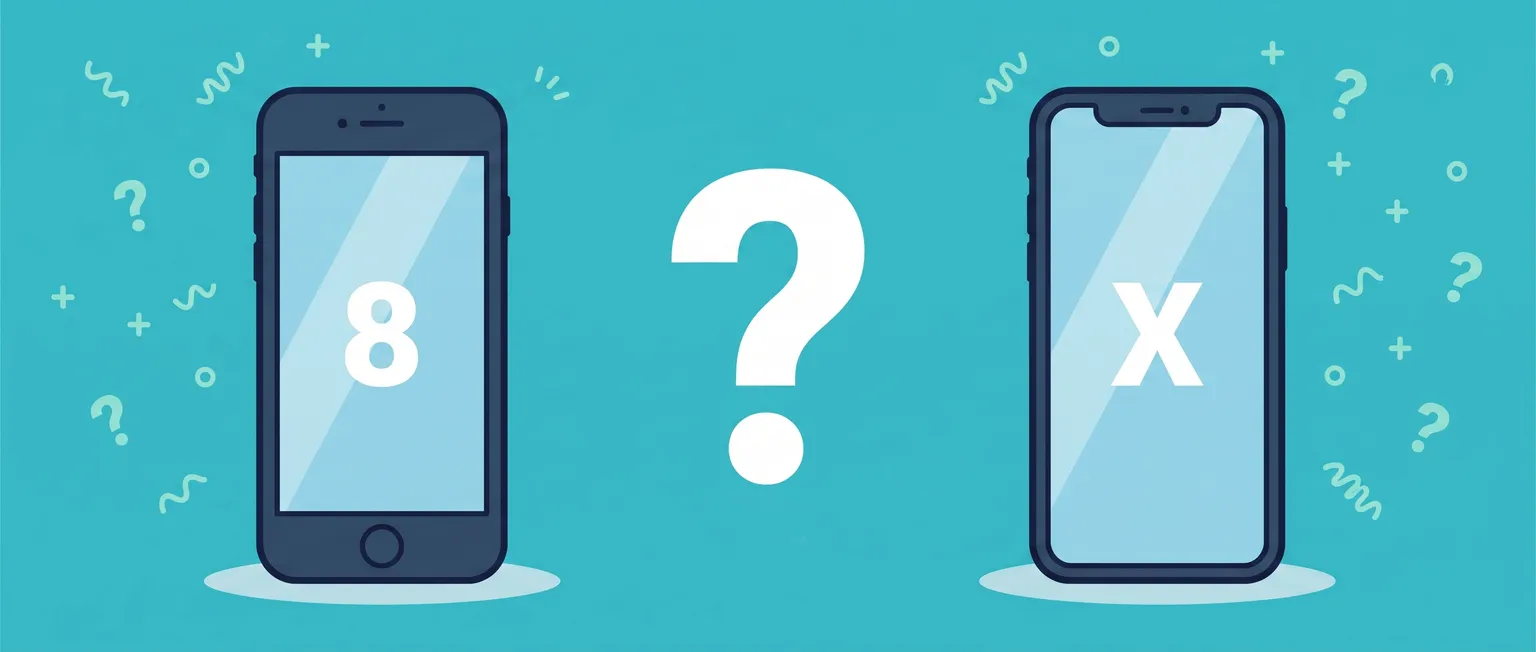
There is no iPhone 9 because Apple skipped it on purpose. In 2017 the company jumped from the iPhone 8 straight to the iPhone X to mark the iPhone's 10th anniversary, signal a radical redesign, and create a marketing event out of the number itself. The iPhone X is the iPhone 10. There was never a separate iPhone 9 model, and the second-generation iPhone SE (2020) is the closest thing Apple ever shipped to one.
The short answer
Apple went straight from the iPhone 8 to the iPhone X (Roman numeral for 10) in September 2017 to celebrate ten years of the iPhone, mark its biggest redesign since 2010 (Face ID, edge-to-edge OLED, no home button), and build buzz from the missing number. The X is the iPhone 10. The 2020 iPhone SE filled the gap in practice.
The naming story is settled. The buying question is not, and it has a cleaner answer than most people expect: of the three phones that occupy the iPhone 9 gap, only one still receives Apple's software updates in 2026. Jump to that comparison if the trivia is not what brought you here.
Apple has sold more than three billion iPhones since the device debuted in 2007, a figure Tim Cook gave on the company's third-quarter earnings call in July 2025. Dozens of models have shipped in that time, and the gap between 8 and X is still the one readers ask about.
RefurbMe data: how long until an iPhone goes refurbished
Across every iPhone model in the RefurbMe Refurbished Apple Price Index, a new iPhone first reaches the refurbished market a median of 82 days after Apple releases it, and Apple keeps selling a given model for a median of 399 days (RefurbMe /stats/iphone, as of July 2026). Time-to-Refurb is the median gap between Apple's release date and the first refurbished listing RefurbMe records. Every phone in this article cleared both marks years ago.
Table of contents
- Why did Apple skip the iPhone 9?
- What happened to the iPhone 10?
- Is the iPhone SE the "real" iPhone 9?
- Which iPhone 9 era models are worth buying now?
- Other tech companies that skipped a number
- A brief history of Apple's iPhone naming
- Takeaway
- FAQ
Why did Apple skip the iPhone 9?
Apple's decision to skip the iPhone 9 and jump straight from the iPhone 8 to the iPhone X came down to three factors, all of them deliberate.
1. It was the iPhone's 10th anniversary
The original iPhone launched in June 2007. By 2017, Apple was approaching a milestone it could not afford to downplay: ten years of the device that reshaped the mobile industry. Rather than release a routine "iPhone 9," the company chose the Roman numeral X (which stands for 10) to mark the occasion. The naming was a celebration, not just a label.
2. To signal a radical redesign
The iPhone X was not an incremental update. It was the most dramatic iPhone redesign since the iPhone 4 in 2010. Apple removed the home button, introduced Face ID, and adopted an edge-to-edge OLED display. The phone also broke new ground as the first iPhone to cross the $1,000 price mark.
By releasing the iPhone 8 and iPhone 8 Plus alongside the iPhone X, Apple framed the lineup as "good versus best" rather than "old versus new." The strategy made the premium iPhone X feel like a generational leap, exactly the message a number jump from 8 to 10 reinforces.
3. It was a stronger marketing move
Skipping a number generates buzz on its own. The gap in the sequence drew attention and media coverage, which amplified public interest in the iPhone X launch. There was also a cultural dimension: in Japan, the number 9 can carry negative connotations because its pronunciation (ku) sounds like the word for suffering. While Apple has never confirmed this played a role, the Roman numeral X sidestepped the issue entirely.
Beyond superstition, the letter X carries symbolic weight. In mathematics, science, and popular culture, it represents the unknown, transformation, and discovery. That symbolism aligned neatly with a product Apple positioned as the future of the smartphone.
What happened to the iPhone 10?
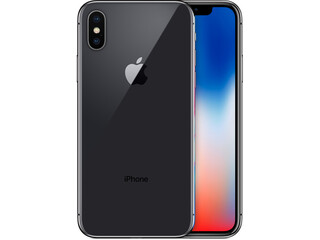
The iPhone 10 is the iPhone X: they are the same device. Apple used the Roman numeral X, which stands for 10, as the official name. The iPhone X was announced on 12 September 2017 alongside the iPhone 8 and 8 Plus, then shipped on 3 November of that year. It introduced the design language (Face ID, gesture navigation, and a notched display) that would define every mainline iPhone through the iPhone 14 series.
Apple discontinued the iPhone X on 12 September 2018, when the iPhone XS and iPhone XR took its place, and its software support ended at iOS 16. It launched at $999, so the "iPhone 10" was also the first iPhone to cross the $1,000 line once you added storage. Refurbished, the same phone now sells for a small fraction of that. Compare the live listings below:

256GB storage
Space Gray
Learn more: Is the iPhone X Worth Buying in 2026?
Is the iPhone SE the "real" iPhone 9?
When Apple announced the second-generation iPhone SE in April 2020, many observers called it the iPhone 9 in all but name. The device was built on the iPhone 8 chassis, retained the home button and Touch ID, and launched at $399, a price point that fit squarely between the iPhone 8 and the premium iPhone X series.
Multiple reports suggested that Apple internally considered the name "iPhone 9" before settling on iPhone SE to keep the device within its established budget lineup. Whether or not the label was ever official, the second-generation SE filled the practical gap the missing iPhone 9 left behind: a modern, affordable iPhone that carried forward the pre-X design.
Learn more: iPhone X vs. iPhone XR: Which One Is Better and Why?
Which iPhone 9 era models are worth buying now?
Three phones sit in the space an iPhone 9 would have occupied: the iPhone 8, the iPhone X, and the second-generation iPhone SE. They are not equivalent buys in 2026, and what separates them is software support rather than speed.
| Model | US launch price | Released | Discontinued | Last iOS version |
|---|---|---|---|---|
| iPhone 8 | $699 | 22 Sep 2017 | 15 Apr 2020 | iOS 16 |
| iPhone X | $999 | 3 Nov 2017 | 12 Sep 2018 | iOS 16 |
| iPhone SE (2nd gen) | $399 | 24 Apr 2020 | 8 Mar 2022 | iOS 26 |
Apple retired the iPhone 8 on 15 April 2020, the same day it announced the iPhone SE built on the iPhone 8's body, screen and home button. The change was inside the case: the SE shipped with the A13 Bionic instead of the iPhone 8's A11. That one substitution is why the phone Apple reportedly considered calling the iPhone 9 still runs iOS 26, while both 2017 models stopped at iOS 16.
So the buying advice is unusually clean. If you want the cheapest iPhone that still gets Apple's software updates, buy the SE. If you want the phone that set the template for the next seven years of iPhones and you can live with iOS 16, the X is the cheaper piece of history. The iPhone 8 is the weakest of the three: it shares the X's iOS ceiling without the design that made the X interesting.


64GB storage
Midnight

RefurbMe compares refurbished iPhone listings from the sellers it tracks in the US market, starting with Back Market and Gazelle, then Amazon Renewed and eBay Refurbished, alongside the Apple Store's own certified refurbished stock. Stock and prices move week to week on all of them, so check before you commit.
Compare refurbished iPhone prices across sellers
Learn more: 7 Best Refurbished iPhones to Buy in 2026 (Ranked by Value) and iPhone SE 2 (2020) vs. iPhone SE 3 (2022): The Differences.
Other tech companies that skipped a number
Apple is not the only company to jump ahead in its product numbering. Here are a few notable examples:
- Microsoft, Windows 9: Microsoft went from Windows 8.1 directly to Windows 10, which became generally available on 29 July 2015. Terry Myerson, then head of Windows, said the jump was about the product itself: it would not have been right to call it Windows 9. A widely cited secondary explanation is that legacy code in many applications checked for the string "Windows 9" to detect Windows 95 and 98, which could have caused compatibility problems.
- Samsung, Galaxy Note 6: Samsung skipped the Galaxy Note 6 and unveiled the Galaxy Note 7 on 2 August 2016. The company wanted the Note numbering to line up with the Galaxy S7 that launched earlier the same year, so buyers would stop reading the lower digit as the older phone.
- OnePlus, OnePlus 4: OnePlus went from the OnePlus 3T to the OnePlus 5, which arrived in June 2017. The company never gave an official reason for the skip. The explanation usually repeated is tetraphobia, since the Chinese word for four sounds close to the word for death, but that remains speculation rather than a company statement, and others have tied the jump to distancing the line from the poorly received OnePlus 2.
In each case, the skip was strategic rather than accidental, much like Apple's decision with the iPhone 9.
A brief history of Apple's iPhone naming
Understanding how Apple names its phones makes the iPhone 9 gap less surprising. The company has never been rigid about sequential numbers:
- iPhone (2007): No number at all.
- iPhone 3G (2008): Named after its 3G network support, not because it was the third model. There was never an "iPhone 2."
- iPhone 3GS (2009): The "S" stood for speed, starting the S-suffix tradition.
- iPhone 4 through iPhone 8: Apple adopted sequential numbering from the fourth model onward, with S and Plus variants along the way.
- iPhone X (2017): The Roman numeral leap, skipping 9.
- iPhone XS, XR (2018): Letter-based variants of the X generation.
- iPhone 11 through iPhone 17 (2019 to 2025): A return to sequential numbering, now with Pro and Pro Max tiers.
The pattern shows that Apple treats product names as branding tools rather than strict version counters. When a name serves the story the company wants to tell, it takes priority over numerical logic.
Learn more: How Long Does Apple Support iPhones?
Takeaway
In short, there is no iPhone 9 because Apple made a deliberate choice to skip it:
- The iPhone X launched in 2017 to celebrate the iPhone's 10th anniversary, and the Roman numeral X underscored that milestone.
- The iPhone X represented a radical redesign (Face ID, an edge-to-edge OLED screen, and the removal of the home button) that warranted a bigger naming jump than a single digit.
- The skip was a savvy marketing move that generated buzz, avoided cultural sensitivities around the number 9, and positioned the iPhone X as a premium, transformative product.
- The second-generation iPhone SE (2020) is widely regarded as the spiritual successor that filled the iPhone 9 gap, and it has outlasted both 2017 phones: it still runs iOS 26 while the iPhone 8 and iPhone X stopped at iOS 16.
If you are in the market for an iPhone, many of these older models are no longer sold new but remain solid choices when purchased refurbished. A refurbished iPhone is professionally inspected, tested, and restored before resale, so you get reliable performance at a fraction of the original price. You can compare deals from vetted sellers on RefurbMe, all in one place.
Compare and get your iPhone at the best price now
FAQ
For deeper reading, see iPhone X vs. iPhone XR: Which One Is Better and Why? and the iPhone X vs. iPhone 11, iPhone 12, and iPhone 13 comparisons.
Last updated: Jul 31, 2026 · First published: Nov 21, 2023


